What to Do When Your Landlord or Property Management Company Ignores You
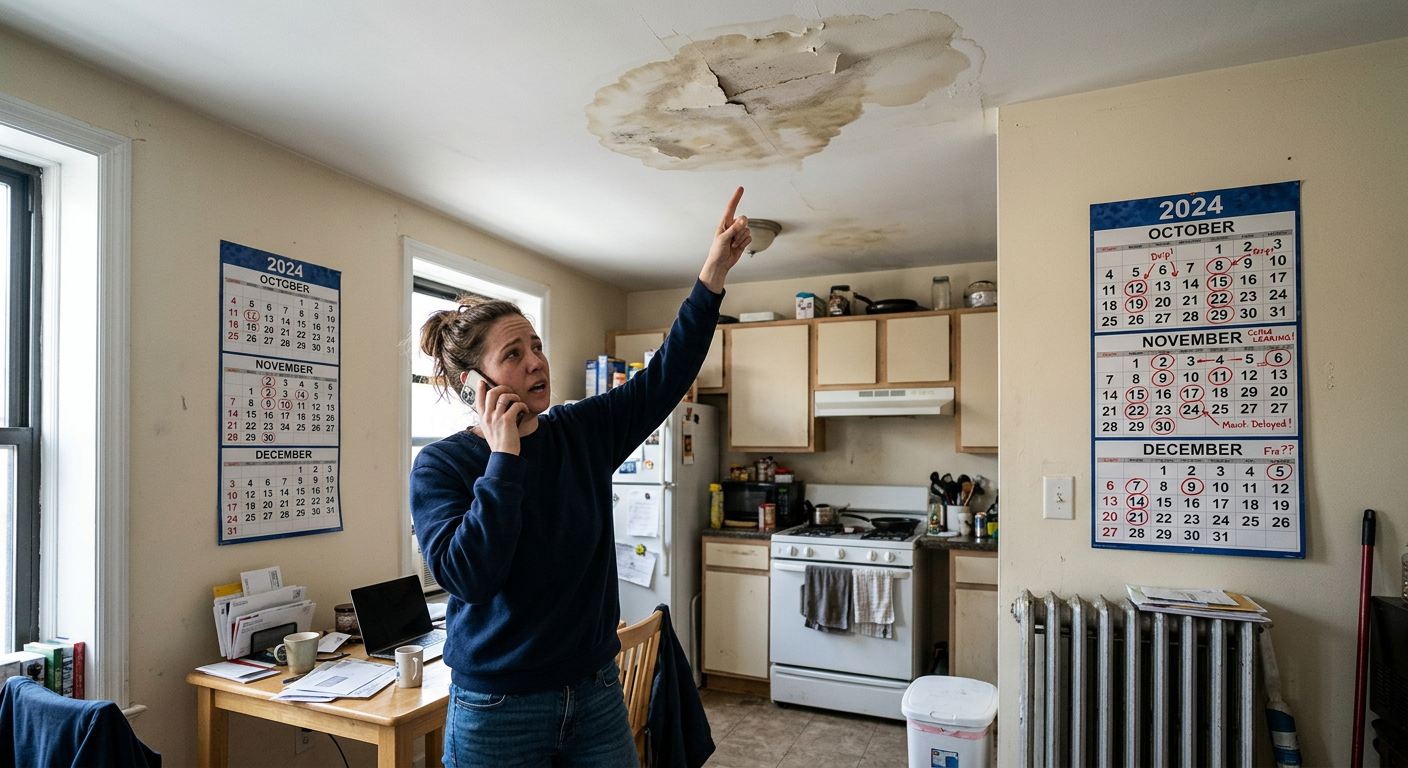
What to Do When Your Landlord or Property Management Company Ignores You
Renting a home should not mean chasing unanswered emails, ignored maintenance requests, or unexplained fees.
Yet many renters deal with exactly that.
Emails go unanswered.
Repairs are delayed.
Security deposit questions sit unresolved.
Unexpected move-out charges appear with no explanation.
If your landlord or property management company is not responding, you still have more options than you may think and you do not need to jump straight into a public battle.
Here are smart steps to take first.
Common Situations Renters Face
You may be dealing with issues such as:
Ignored maintenance requests
Mold, leaks, AC, plumbing, or safety concerns
Security deposit delays or deductions
Surprise move-out fees
Lease confusion
Repeated calls with no response
Incorrect rent charges
Poor communication from management staff
These situations are especially stressful because housing affects daily life.
Step 1: Document Everything About the Rental Issue
Before escalating, gather:
Lease agreement
Emails and text messages
Maintenance requests
Photos/videos of the issue
Payment history
Notices received
Facts matter.
Strong documentation increases your leverage and credibility.
Step 2: Send a Clear Written Complaint to Management
Keep emotion out of the message.
Use clear language:
What happened
What needs to be fixed
Requested timeline
Prior attempts to contact them
Example:
“My AC has not worked since June 5. I submitted two maintenance requests and have not received a response. Please advise repair timing within 48 hours.”
Step 3: Escalate to the Right Decision Maker
Sometimes front office staff are not the final decision makers.
Try contacting:
Property manager
Regional manager
Ownership group
Corporate office (if professionally managed)
Step 4: Understand Your Local Tenant Rights
Depending on where you live, tenants may have rights related to:
Habitability
Repairs
Deposit return deadlines
Notice requirements
Check local housing resources or legal guidance in your area.
Step 5: Avoid Emotional Public Posts Too Early
Negative reviews or social media blasts can escalate conflict quickly.
Sometimes they help. Often, they harden positions.
A smarter first move is structured escalation.
Step 6: Use a Structured Complaint Path
If direct communication fails, use a platform that creates accountability while still allowing resolution.
That is where RDACTD can help.
RDACTD gives renters a structured way to escalate issues while allowing landlords or property managers a fair chance to respond before matters become public.
Final Thought
Most renters do not want conflict.
They want:
Safe living conditions
Fair billing
Returned deposits
Honest communication
If you are being ignored, start with a smarter path.
Visit RDACTD.com to learn more.